Visiting the dentist can be a stressful experience for many people. Some may feel anxious or embarrassed about the condition of their teeth, while others may have had negative experiences with dental procedures in the past. By establishing good and effective communication with your dentist, you can make the most of your dental visit and feel more relaxed and confident throughout the entire treatment.
In this week’s blog of Dental Center 4Smile, we explore why good and effective communication is so important and how you can build a strong, trust-based relationship with your dentist.
The importance of good and effective communication
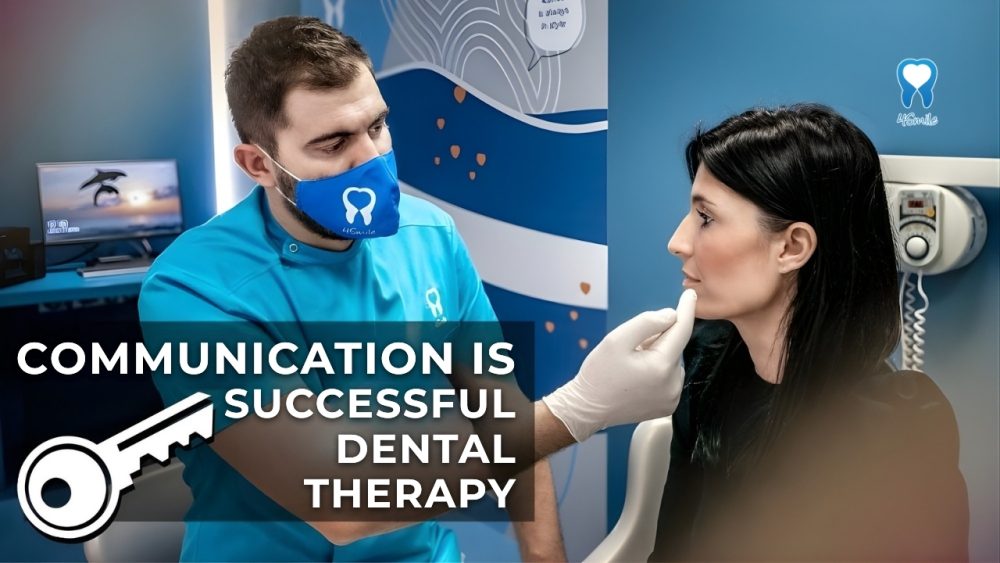
Good and effective communication between a patient and their dentist is essential for successful dental therapy. Without effective communication, your dentist will not be able to understand your wishes and needs. Also, you will not be able to fully understand the dental procedures being performed. By establishing good communication, you can ensure treatment that best suits your individual needs and preferences.
For the first appointment, patients should bring a list of all medications they are taking and any relevant medical history.
During the examination, patients should feel comfortable asking questions and expressing their concerns. The dentist will review the patient’s oral health history, examine their teeth and gums, and may take X-rays or perform other diagnostic tests. It is important for patients to be honest about their oral hygiene habits and any pain or discomfort they are experiencing. It is also important to be honest about any changes they have noticed in their teeth or gums. This information will help the dentist provide the best possible care.
Active listening
Active listening is an essential component of good and effective communication. This means that both the patient and the dentist should listen carefully to what the other person is saying and respond in a supportive and non-judgmental way. Patients should feel comfortable sharing their concerns and asking questions. Dentists should be willing to listen and provide explanations in a clear and concise manner.
Empathy and professionalism
Empathy and professionalism are also key components of good and effective communication. Patients should feel that their dentist cares about their well-being and is willing to work with them to achieve their goals. Dentists should be professional in their approach, treating every patient with respect and care. It is also mandatory to show compassion for any pain or discomfort the patient may experience.
A non-judgmental attitude
A non-judgmental attitude is also important for effective communication. Patients should feel that they can share their concerns and ask questions without fear of being judged or criticized. Dentists should avoid making assumptions or passing judgment. Instead, they should focus on providing the best possible care and support to their patients.
Informing the patient about the entire procedure
Finally, it is important for the dentist to inform the patient about the entire dental procedure from beginning to end. This helps the patient feel more comfortable and confident and ensures there are no surprises or unexpected complications. Patients should feel free to ask questions and request clarification if they do not understand something. At Dental Center 4Smile, every patient receives a visual treatment flowchart along with their therapy plan.
How to build a strong, trust-based relationship with your dentist?
Building a strong, trust-based relationship with your dentist is essential for effective communication.
Here are some tips to help you establish a strong and positive relationship with your dentist:
- Choose a dentist you feel comfortable with: Look for a dentist you find kind, approachable, and professional.
- Prepare in advance: Before your appointment, take some time to think about any questions or concerns you may have. Write them down if that helps you remember. This will help you feel more confident and in control during your first visit.
- Practice deep breathing: Deep breathing exercises can help calm your nerves and reduce anxiety. Try taking a few deep breaths before and during treatment to help you relax.
- Be honest about your concerns and fears: If you feel nervous or anxious about visiting the dentist, let them know. They can provide extra support or recommend techniques to help you relax.
- Focus on the positives: Instead of dwelling on negative experiences you may have had in the past, try to focus on the positive outcomes of dental treatment. Remember that caring for your oral health is an important part of your overall health and well-being.
- Ask questions: Do not be afraid to ask questions about the dental procedures being performed. Understanding what is happening can help reduce anxiety and increase confidence.
- Talk about your wishes and needs: Tell your dentist what your dental goals are and what you hope to achieve with your dental treatment. This will help them tailor the treatment plan to your individual needs and preferences.
- Trust your dentist: Trust their expertise and experience, and allow them to guide you through the treatment process.
- Follow up after your appointment: If you have any questions or concerns after your appointment, feel free to contact your dentist. They will be happy to provide additional support and guidance.
Conclusion
Effective communication is the key to successful dental therapy. By being open, honest, and asking questions, you can work together with your dentist to create a treatment plan that meets your individual wishes and needs. Keep in mind that your dentist is there to help you and is a trained professional working in your best interest. By relaxing and trusting your dentist, you can have a positive dental experience and maintain or improve your oral health over time.
And remember: active listening!